Why most Клининговые услуги projects fail (and how yours won't)
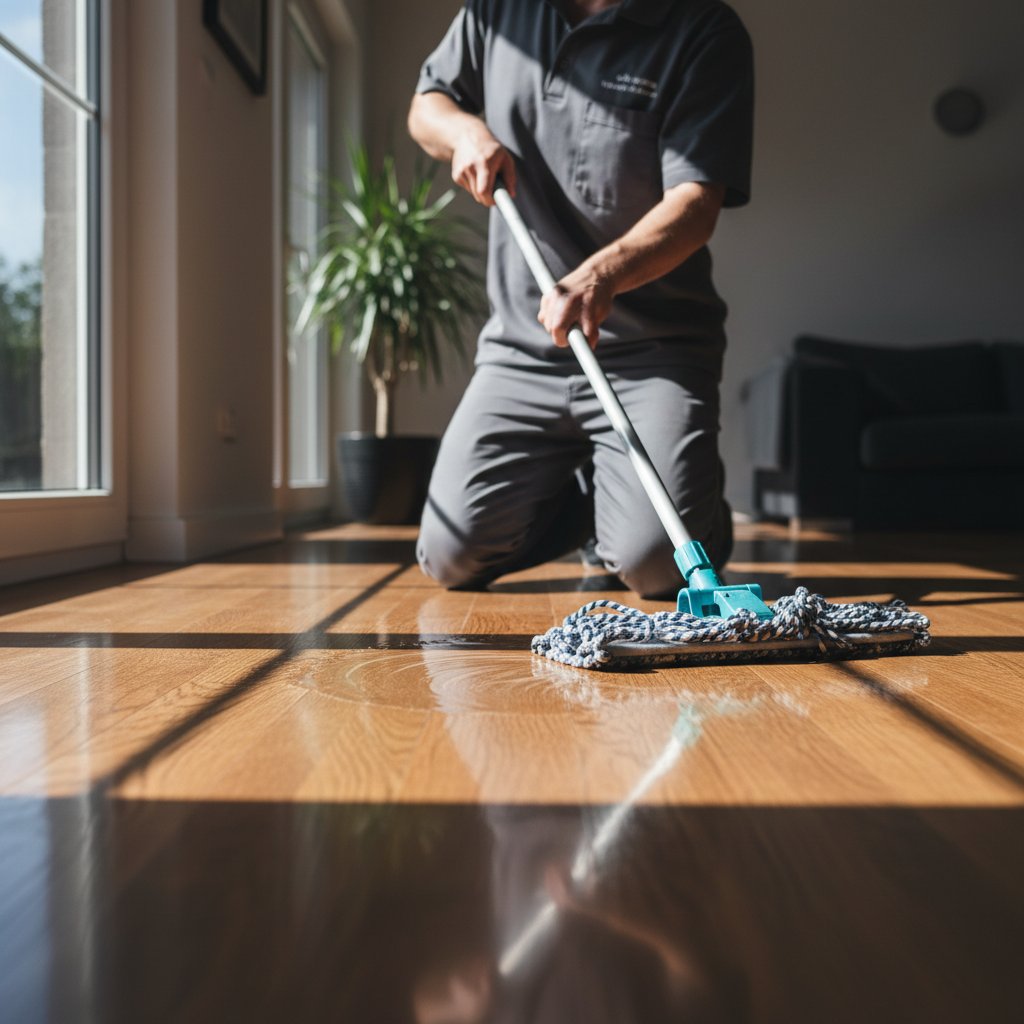
The $3,000 Mistake That Kills Most Commercial Cleaning Projects
Picture this: You've just signed a contract with a cleaning company. Three months later, your office looks worse than when you started. The team shows up sporadically, uses the wrong products on your marble floors, and somehow your monthly invoice keeps creeping upward. Sound familiar?
Roughly 40% of commercial cleaning contracts get terminated within the first year. That's not just an inconvenience—it's expensive. Between onboarding costs, training new vendors, and the actual damage to your facilities, businesses typically lose $2,500 to $4,000 when a cleaning partnership goes south.
But here's the thing: these failures follow predictable patterns. And once you know what to watch for, they're completely avoidable.
The Real Reason Cleaning Projects Crash and Burn
Most people blame the obvious stuff—lazy workers, cheap supplies, poor scheduling. Sure, those matter. But they're symptoms, not the disease.
The actual killer? Misaligned expectations from day one.
A facility manager at a 50,000-square-foot office building once told me she went through four cleaning companies in 18 months. Each time, she thought she'd found "the one." Each time, disaster struck within weeks. The problem wasn't the companies (well, not entirely). She never clearly defined what success looked like beyond "make it clean."
What does "clean" even mean? For a medical office, it means hospital-grade disinfection and documented sanitation logs. For a tech startup with dogs running around, it means something completely different. Without specifics, you're setting up a guessing game nobody wins.
The Communication Black Hole
Here's another landmine: 68% of failed cleaning contracts cite "poor communication" as a primary factor. But that's vague corporate-speak for a very specific problem.
Most arrangements lack a single point of contact. Your daytime supervisor never talks to the night crew. The account manager who sold you the contract vanishes after signing. When something goes wrong—and something always goes wrong initially—there's no clear escalation path.
One retail chain I worked with had cleaning crews changing every two weeks because nobody told the workers about the store's specific requirements. The night manager would leave angry notes. The cleaning supervisor would get defensive. The crew would quit. Rinse and repeat.
Red Flags You Can't Ignore
Before your project implodes, you'll see warning signs. Don't brush them off:
- The disappearing act: Your account manager becomes unreachable after the first payment clears
- Crew roulette: Different faces every visit with no introduction or handoff
- Supply mystery: You have no idea what products they're using or where they're sourced
- Paper promises: Everything is "handled" verbally, but nothing's documented
- Price creep: Random charges appear with explanations like "additional services" you never requested
If you spot three or more of these within the first 30 days, start looking for an exit strategy.
How to Build a Cleaning Partnership That Actually Works
Step 1: Create Your Success Scorecard (Week 1)
Before you even start vetting companies, document exactly what you need. Not "thorough cleaning" but "vacuum 12,000 square feet of carpet, empty 47 waste bins, sanitize 8 restrooms, dust all horizontal surfaces above 4 feet."
Assign each task a frequency and a quality standard. "Restrooms checked and restocked every 4 hours during business hours" beats "keep bathrooms clean."
Step 2: The Trial Run Reality Check (Week 2-3)
Insist on a two-week trial period before signing long-term contracts. Pay full rate—this isn't about getting free work. It's about seeing their actual crew, not the A-team they send for demos.
During the trial, show up at random times. Not to play gotcha, but to observe their actual process. Do they follow safety protocols? Do they bring their own supplies or raid your storage closet? Do they communicate issues they spot?
Step 3: Lock in Your Communication Protocol (Before Launch)
Establish three things in writing:
Daily contact: One person from their team, one from yours. They exchange a 2-minute update every shift—what got done, what didn't, any issues.
Weekly review: 15-minute call or walkthrough. Bring your scorecard. Go through it line by line.
Monthly audit: Bring in their supervisor and your decision-maker. Review performance data, discuss adjustments, address any creeping issues before they explode.
Step 4: Track Real Metrics (Ongoing)
Create a simple tracking sheet. For 90 days, rate three things daily on a 1-5 scale: completeness, quality, and timeliness. This takes 30 seconds but gives you data instead of feelings when problems arise.
If your average dips below 4.0 for two consecutive weeks, trigger a formal review. Don't wait until you're furious.
The Insurance Policy Most People Skip
Build a 60-day contingency plan from day one. Identify two backup companies you'd call if things go sideways. Keep their contact info handy. This isn't pessimism—it's project management.
When you're not desperate, you negotiate better terms. When you have options, vendors perform better. It's basic human nature.
The facility manager I mentioned earlier? She finally found success with her fifth company. Not because they were magically better, but because she implemented everything above. Same market, same budget, completely different outcome.
Your cleaning project doesn't have to become another cautionary tale. It just needs structure, clarity, and someone willing to manage it like the significant operational expense it actually is.